


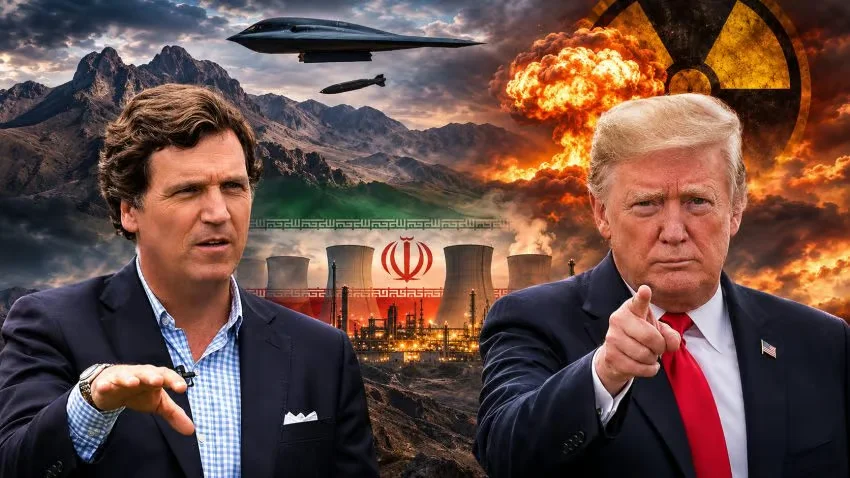
معروف امریکی صحافی اور مبصر ٹکر کارلسن نے دعویٰ کیا ہے کہ صدر ڈونلڈ ٹرمپ اسرائیلی دباؤ کے تحت 7 نومبر تک ایران کی زیرِ زمین تنصیب پر جوہری حملے پر غور کر سکتے ہیں۔
وسطی ایران میں نتنز کے قریب واقع پک ایکس ماؤنٹین (کوہِ کلنگ گز لا) پہاڑوں کے نیچے 300 فٹ سے زائد گہرائی میں واقع ہے جہاں روایتی بنکر بسٹر بموں کی کامیابی غیر یقینی ہے۔
کارلسن نے خبردار کیا ہے کہ جوہری دھماکے کی صورت میں خلیجِ فارس کا پانی تابکاری سے آلودہ ہو سکتا ہے جس سے 10 کروڑ افراد کے پینے کے پانی کو خطرہ لاحق ہو جائے گا۔
واشنگٹن میں معروف امریکی صحافی اور سیاسی مبصر ٹکر کارلسن نے ایران پر امریکی جوہری حملے کا دعویٰ کرتے ہوئے عالمی حلقوں میں شدید تشویش کی لہر دوڑا دی ہے۔ کارلسن نے اپنی ایک تفصیلی پوسٹ میں خبردار کیا ہے کہ امریکی صدر ڈونلڈ ٹرمپ مبینہ طور پر اسرائیلی وزیرِ اعظم بینجمن نیتن یاہو کے مسلسل دباؤ میں آ کر 7 نومبر کے اوائل تک ایران کے انتہائی محفوظ زیرِ زمین جوہری کمپلیکس پک ایکس ماؤنٹین کو نشانہ بنانے کا فیصلہ کر سکتے ہیں۔
پک ایکس ماؤنٹین کی جغرافیائی ساخت اور روایتی ہتھیاروں کی حدود
ٹکر کارلسن نے اگرچہ اپنے ان سنگین دعووں کے حق میں کوئی قابلِ تصدیق دستاویزی ثبوت پیش نہیں کیا اور نہ ہی امریکی یا اسرائیلی حکومت نے ایسے کسی آپریشن کی سرکاری طور پر تصدیق کی ہے، تاہم اس بیان نے واشنگٹن اور تہران کے درمیان جاری جوہری تنازعے کو ایک نئے مباحثے کی طرف موڑ دیا ہے۔ اس تنازعے کے مرکز میں وسطی ایران کے نتنز جوہری کمپلیکس کے قریب واقع پک ایکس ماؤنٹین (جسے مقامی طور پر کوہِ کلنگ گز لا کہا جاتا ہے) کی زیرِ زمین تنصیب ہے۔
ماہرین کے مطابق تقریباً سات سے آٹھ سال قبل شروع ہونے والا یہ قلعہ بند منصوبہ سنگلاخ پہاڑوں کے نیچے 300 فٹ سے زیادہ گہرائی میں پھیلی ہوئی سرنگوں پر مشتمل ہے، جسے ایرانی حکام جدید سینٹری فیوجز کی تیاری اور اسمبلی سے جوڑتے رہے ہیں۔ اسرائیلی انٹیلی جنس کو شبہ ہے کہ تہران نے ماضی کے فوجی حملوں کے بعد اپنی افزودہ یورینیم اور حساس آلات کو اسی زیرِ زمین مقام پر منتقل کر کے دوبارہ افزودگی شروع کر دی ہے۔ کارلسن کا استدلال ہے کہ چٹانوں کی غیر معمولی گہرائی کے باعث امریکا کے طاقتور ترین روایتی بنکر بسٹر بم (جی بی یو-57 میسو آرڈیننس پینیٹریٹر) بھی ان تہہ خانوں کو مکمل طور پر تباہ کرنے کی یقینی صلاحیت نہیں رکھتے، جو واشنگٹن کو جوہری آپشن پر غور کرنے کی طرف دھکیل سکتا ہے۔
Under pressure from Israeli prime minister Benjamin Netanyahu, the Trump administration may be within days of launching a nuclear strike on Iran. The target would be Pickax Mountain in central Iran, where Israeli intelligence claims the Iranian government has restarted its nuclear enrichment program. No conventional weapon in the American arsenal can penetrate 300 feet of solid granite to destroy the tunnels where enrichment is supposedly taking place. The only military option is a nuclear strike. Netanyahu has been pushing hard for one. “Bibi calls Trump about it every day,” says an informed observer.
Netanyahu is cornered and desperate. After last week’s election results, he can’t form a government unless Trump intervenes directly in Israeli politics and brokers a deal with other parties that gives Netanyahu 61 seats in the Knesset. Otherwise, he is out as prime minister and on his way to ignominy, investigations and possibly jail. Netanyahu must stay close to Trump. He needs this war.
To that end, he’s applied maximum pressure to his closest allies in the administration, including Secretary of Defense Pete Hegseth and CENTCOM commander Brad Cooper. Both oppose a negotiated settlement to the war they’ve so grievously mismanaged; both are pushing to restart major combat operations. Secretary of State Marco Rubio and CIA director John Ratcliffe are also following Netanyahu’s lead, as are leaders of the Democratic Party. In a recent meeting on the subject, former president Barack Obama said he opposes the current Iran peace deal being drafted in Doha.
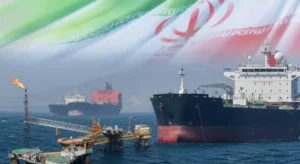
The rest of America’s longtime allies in the Middle East are terrified by the prospect of more war. On September 27th, Netanyahu flew secretly to Abu Dhabi to enlist the UAE in his lobbying effort for a final attack on Iran. The Emiratis refused. After eight months of conflict, Gulf economies are teetering. So are global energy and fertilizer markets. They won’t recover soon. Globally, there are a total of about 850 supertankers used to transport oil from producers to the rest of the world. In October alone, 11 of them were badly damaged in Hormuz. At this pace, a global depression is imminent. A nuclear strike would radically accelerate the destruction. Fallout from a ground explosion at Pickax Mountain would contaminate the Persian Gulf, poisoning the water supply for 100 million people.
And those are just some of the immediate consequences for the region. The rest of the world is every bit as exposed. No country other than the United States has ever used a nuclear weapon in war. Some would like to. An American nuclear attack on Iran would set a new precedent. The Russians have already told at least two other governments that an American nuclear strike on Iran would free them to use nuclear weapons against Ukraine. Pakistan and India would be tempted to do the same against each other, as would North Korea against Seoul. After the first nuclear strike, World War Three is inevitable. That war would be short and final.
We’ve been sleepwalking toward this moment for months. Since February, the administration has quietly rewritten America’s nuclear doctrine to make first use of so-called “battlefield nukes” easier and therefore more likely. No one in Washington in either party seems bothered by this. Now we’re on the brink of it.
Close observers say Trump is likely to decide by next weekend whether or not to use nuclear weapons. That would be November 7, six days from now. To his credit, he’s hesitating. At the moment, Trump is listening to his vice president, JD Vance, and to his envoy and friend Steve Witkoff, both of whom argue a deal with Iran can be made.
They’re right, though it won’t be simple. The Iranians are famously frustrating to negotiate with under any circumstances, and elements of that government have become more radical since Ayatollah Ali Khamenei and his family were killed in February. After decades of isolation, even relatively moderate Iranian leaders seem confused by how decisions are made in the West. (There is a widespread belief in Tehran, for example, that the United States government controls Israel.) But overall, people who have spoken to decision-makers in Iran say there is consensus there that more war is bad for everyone and a deal is worth making.
One group that hasn’t been consulted so far is the global population — the hundreds of millions of people who will be killed along with their children if Trump is pushed by Netanyahu into launching a nuclear strike next week. Now would be the time for them to speak up.
— Tucker Carlson (@TuckerCarlson) November 2, 2026
نیتن یاہو کا مبینہ سفارتی دباؤ اور امریکی جوہری پالیسی میں تبدیلی کے الزامات
امریکی صحافی نے اپنی رپورٹ میں اسرائیلی وزیرِ اعظم بینجمن نیتن یاہو کو اس دباؤ کی مہم کا مرکزی کردار قرار دیا ہے۔ ایک نامعلوم باخبر ذریعے کے حوالے سے کارلسن نے دعویٰ کیا کہ نیتن یاہو اپنی سیاسی بقا کے لیے اس معاملے پر روزانہ کی بنیاد پر امریکی صدر سے رابطہ کر رہے ہیں، اور اسی سلسلے میں انہوں نے 27 ستمبر کو ابوظہبی کا نجی دورہ کر کے متحدہ عرب امارات کے صدر شیخ محمد بن زاید النہیان سے بھی ملاقات کی تھی۔ تاہم، آزاد ذرائع سے ان دعووں کی تصدیق نہیں ہو سکی ہے اور سرکاری رپورٹس کے مطابق ٹرمپ اور نیتن یاہو کی گفتگو روایتی فوجی کارروائی اور سفارتی امکانات کے گرد ہی گھومتی رہی ہے۔
مزید برآں، کارلسن نے الزام عائد کیا کہ ٹرمپ انتظامیہ فروری سے امریکی جوہری حکمتِ عملی میں خاموشی سے تبدیلیاں لا رہی ہے تاکہ چھوٹے ٹیکٹیکل جوہری ہتھیاروں کے پہلے استعمال کی راہ ہموار کی جا سکے۔ انہوں نے ایران کے خلاف سخت مؤقف رکھنے پر امریکی وزیرِ خارجہ مارکو روبیو، سی آئی اے ڈائریکٹر جان ریٹکلف، وزیرِ دفاع پیٹ ہیگستھ اور اعلیٰ عسکری قیادت کو بھی تنقید کا نشانہ بنایا، جبکہ سابق صدر باراک اوباما سمیت دیگر ڈیموکریٹک رہنماؤں کے حوالے سے بھی سفارتی عمل کی مخالفت کے غیر مصدقہ سوالات اٹھائے۔
خلیجِ فارس میں تابکاری کا خطرہ اور انسانی المیے کا انتباہ
فوجی پہلوؤں کے علاوہ ٹکر کارلسن نے اس زیرِ زمین تنصیب پر جوہری ہتھیار کے استعمال سے پیدا ہونے والے ہولناک انسانی اور ماحولیاتی نتائج سے بھی خبردار کیا ہے۔ انہوں نے دعویٰ کیا کہ پہاڑ کے نیچے ایٹمی دھماکے کی صورت میں تابکار مواد پھیل کر خلیجِ فارس کے پانیوں میں شامل ہو سکتا ہے۔
واضح رہے کہ خلیجِ فارس کے کنارے واقع ممالک اپنی آبادی کے لیے سمندری پانی کو صاف کرنے والے ڈی سیلینیشن پلانٹس پر انحصار کرتے ہیں۔ تابکاری پھیلنے کی صورت میں خطے کے تقریباً 10 کروڑ انسانوں کے پینے کے پانی کی فراہمی، بنیادی انفراسٹرکچر اور ماحولیاتی نظام کو ناقابلِ تلافی نقصان پہنچنے کا اندیشہ ہے۔
عالمی امن پر اثرات اور کینیڈا و مشرقِ وسطیٰ میں مقیم پاکستانیوں کی تشویش
اگرچہ ٹکر کارلسن کے یہ دعوے تاحال غیر مصدقہ ہیں، لیکن امریکا کے ایک بااثر میڈیا مبصر کی جانب سے جوہری حملے کے امکان پر کھلی بحث نے عالمی سطح پر گہری تشویش پیدا کر دی ہے۔ کینیڈا، شمالی امریکا اور بالخصوص خلیجی ممالک میں مقیم لاکھوں اوورسیز پاکستانی اس صورتحال کو انتہائی تشویش کی نگاہ سے دیکھ رہے ہیں۔ خلیجِ فارس میں کسی بھی قسم کی ماحولیاتی یا عسکری تباہی نہ صرف وہاں مقیم تارکینِ وطن کی زندگیوں کو براہِ راست متاثر کرے گی، بلکہ عالمی توانائی کی منڈی اور پاکستان کی سرحدی و معاشی سلامتی کے لیے بھی ایک غیر معمولی بحران کھڑا کر سکتی ہے۔